Event Date: February 12, 2020
Client: National Theatre
Location: Lyttelton Theatre, National Theatre, London
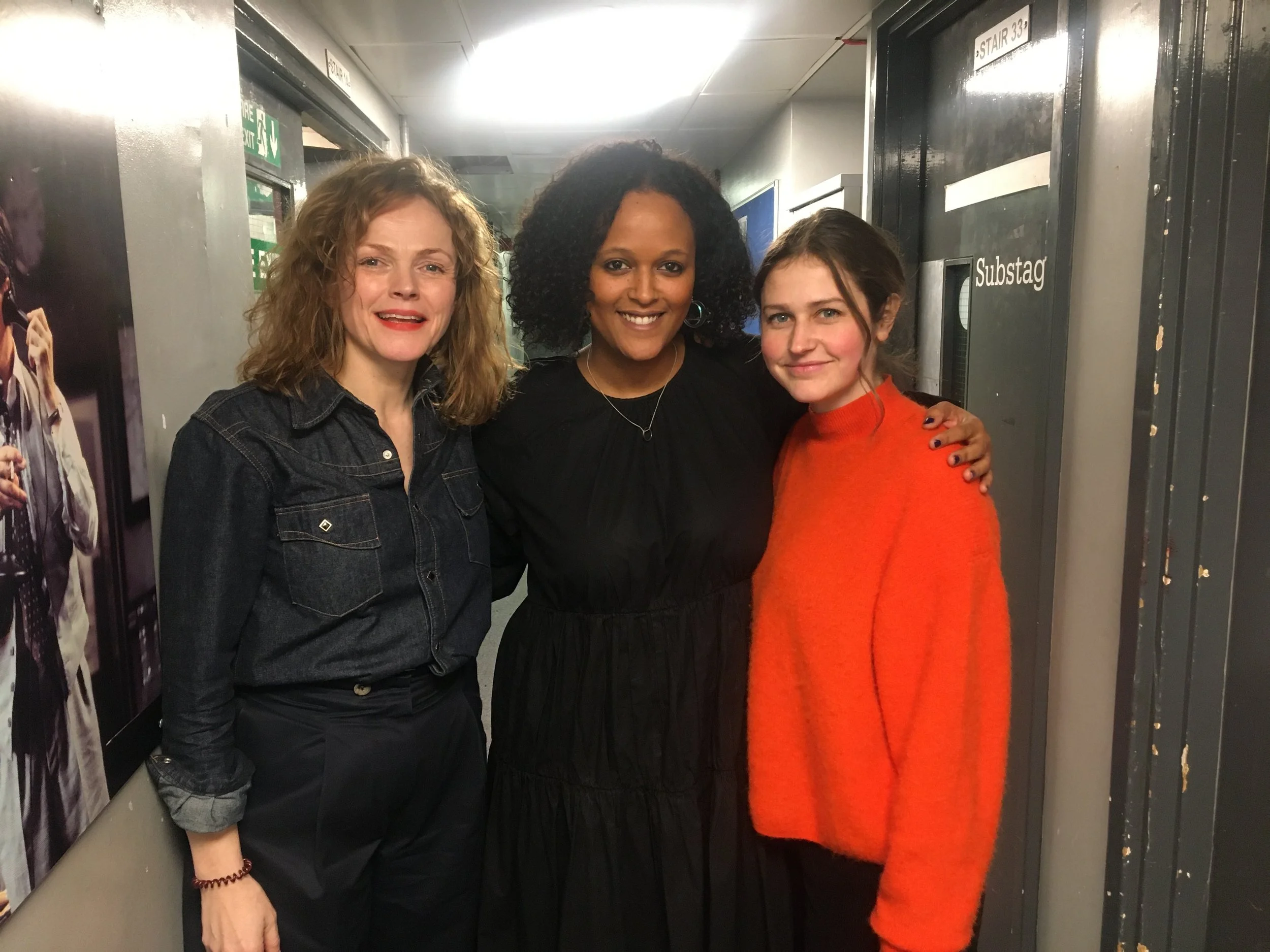
Challenge: Moderate a live post-show discussion with leading actors Maxine Peake and Ria Zmitrowicz at the National Theatre, one of the UK’s most historic and important theatre institutions, creating a thoughtful public conversation that explored the creative, emotional, and political dimensions of performing in Lucy Kirkwood’s new play The Welkin.
Impact: Delivered an engaging audience-facing interview at the National Theatre, a global cultural giant and major platform for British and international theatre, supporting deeper public understanding of the production, its historical context, its ensemble of women, and the challenges of performing a complex new work centred on power, justice, gender, and moral responsibility.
Overview
Invited by the National Theatre to interview Maxine Peake and Ria Zmitrowicz about their roles in Lucy Kirkwood’s The Welkin, a major new play set in rural Suffolk in 1759. The National Theatre is one of the world’s leading theatre institutions, known for producing landmark work, championing major artists, and shaping public conversation around theatre, culture, and society.
The production follows Sally Poppy, a young woman sentenced to hang for murder, whose claim of pregnancy places her fate in the hands of a jury of 12 women.
As moderator, I led a live conversation with the actors in the Lyttelton Theatre, guiding the discussion around the rewards and challenges of performing in the production. The conversation explored character, ensemble performance, the politics of the play, the emotional demands of the work, and the contemporary resonance of a story about women asked to determine another woman’s fate.
Key Deliverables
Live Moderation & Interviewing: Moderated a live discussion with Maxine Peake and Ria Zmitrowicz, creating a warm, intelligent, and audience-accessible conversation about performance, process, and the themes of the play.
Editorial Preparation: Researched the production, playwright, performers, historical setting, and central themes to shape a clear interview structure that balanced artistic insight with audience engagement.
Audience Engagement: Created space for audiences to reflect more deeply on The Welkin, including its treatment of justice, gender, authority, violence, motherhood, morality, and collective responsibility.
Cultural Framing: Positioned the discussion within wider conversations about women’s voices, historical power structures, and the relevance of period drama to contemporary social and political questions.
Talent-Led Conversation: Supported a thoughtful exchange with two acclaimed performers, drawing out their reflections on character development, ensemble dynamics, rehearsal process, and the demands of performing a new work at the National Theatre.
Impact/Outcome
Audience Insight: Helped audiences connect more deeply with the production by illuminating the actors’ creative process, the play’s emotional complexity, and the historical world of The Welkin.
Artistic Engagement: Created a platform for Maxine Peake and Ria Zmitrowicz to discuss the rewards and challenges of performing Lucy Kirkwood’s work, including the demands of inhabiting characters within a tense, morally charged narrative.
Cultural Relevance: Reinforced the National Theatre’s role as a major cultural platform for public conversation around theatre, politics, history, gender, and power.
Professional Moderation: Delivered a live conversation that required careful preparation, strong listening, audience awareness, and the ability to guide nuanced discussion with high-profile performers.
Result
Successfully moderated a live National Theatre conversation with Maxine Peake and Ria Zmitrowicz, extending the audience experience beyond the performance and creating a deeper dialogue around The Welkin. The event demonstrated my ability to lead high-profile cultural conversations with warmth, rigour, and editorial clarity, connecting artists, audiences, and complex ideas in a live public setting.